Coffee roast labels are confusing and often misleading. Here's what light, medium, and dark roast actually mean — and how to pick the right one for how you drink coffee.
Roast Is About Time and Temperature, Not Quality
A lot of people think dark roast means stronger or higher quality. It doesn't. Roast level simply describes how long and how hot the beans were roasted. The same bean roasted light tastes completely different from the same bean roasted dark — but neither is inherently better.
Roasting is a spectrum, and where a roaster stops on that spectrum determines the flavor. Understanding the three main categories helps you order coffee you'll actually enjoy instead of guessing.
Light Roast: Bright and Fruity
Light roast beans are roasted for the shortest time and at the lowest temperature, stopping just after the first crack. The bean retains more of its original character — the fruity, floral, and acidic notes that come from the coffee's origin and varietal.
Light roasts are best for people who want to taste where the coffee came from. You'll get citrus, berry, and tea-like flavors, and a brighter, almost sparkling acidity. The downside is that light roasts can taste sour or thin to people used to traditional coffee, and they don't pair as well with heavy milk drinks.
Best for: pour-over, black coffee drinkers, and anyone who wants to taste the bean's origin.
Medium Roast: The Balanced Middle
Medium roast sits between light and dark, roasted past the first crack but stopped before the second. It balances the bean's origin flavors with the caramelized sweetness developed during roasting. You get some fruit and acidity, but also nutty, chocolate, and caramel notes.
This is the most versatile roast and the most popular in the United States for good reason. It works black, with milk, hot, or iced. It's the safe bet when you don't know what someone likes.
Best for: everyday drinking, drip coffee, and people who want balance without extremes.
Dark Roast: Bold and Smoky
Dark roast beans are roasted into or past the second crack, where the bean's structure breaks down and oils rise to the surface. The origin flavors are mostly gone, replaced by roasty, smoky, bittersweet, and sometimes burnt notes. The body is heavy and the acidity is low.
Dark roasts are bold and stand up well to milk and sugar, which is why they're the traditional choice for espresso in many coffee cultures. But a poorly roasted dark bean just tastes burnt — there's a fine line between bold and charred.
Best for: espresso, milk drinks like lattes and cappuccinos, and people who like a strong, roasty cup.
Which Roast Is Best for Espresso?
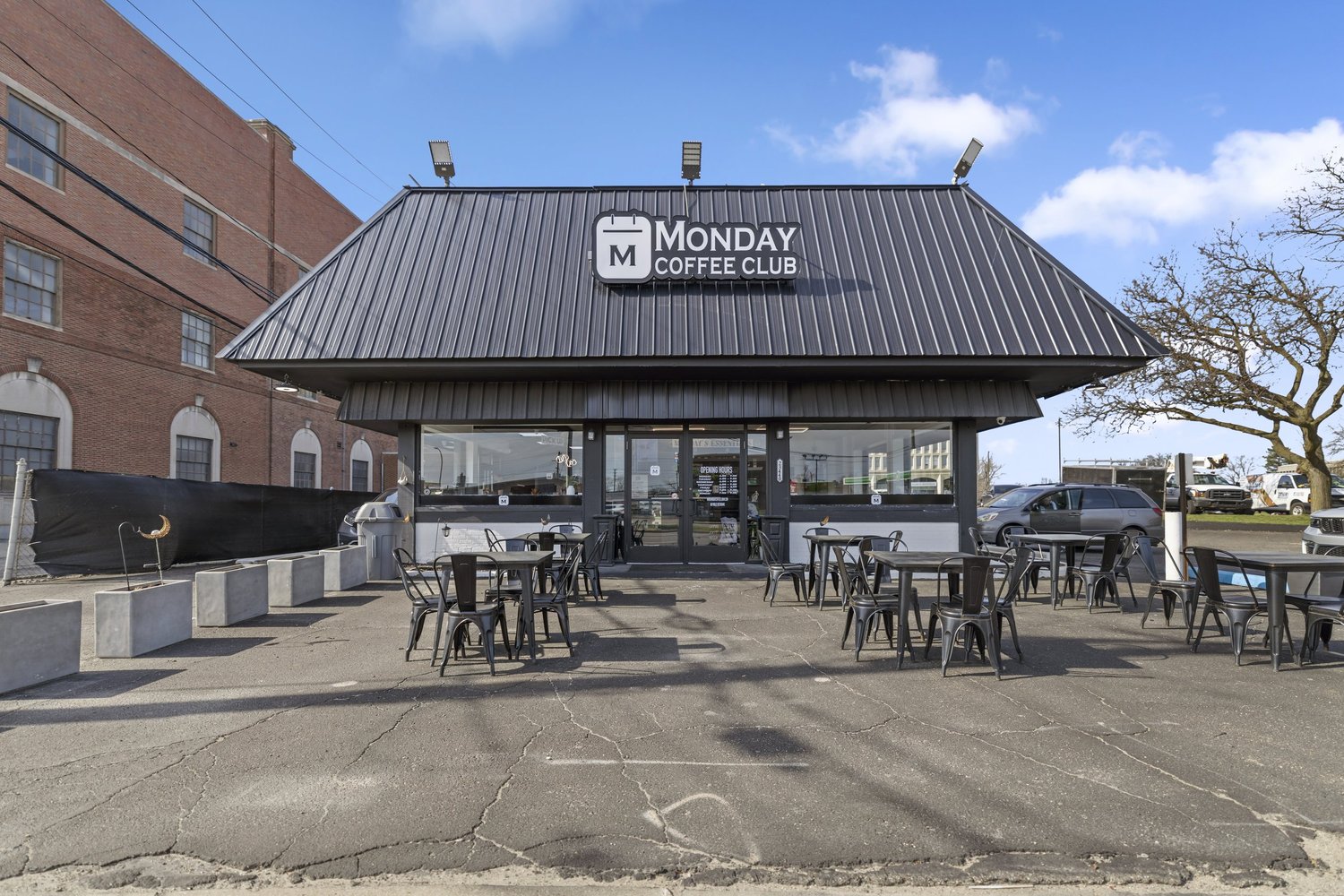
Espresso traditionally uses a medium-dark to dark roast because the bold, low-acid profile cuts through milk and creates the rich, syrupy shots that define classic espresso drinks. Monday Coffee Club's espresso program is built on this principle — a dialed-in roast that balances sweetness and body.
That said, modern specialty coffee has shown that medium and even lighter roasts can make excellent espresso, especially for straight shots where you want to taste complexity. The right roast depends on whether you're drinking it straight or with milk.
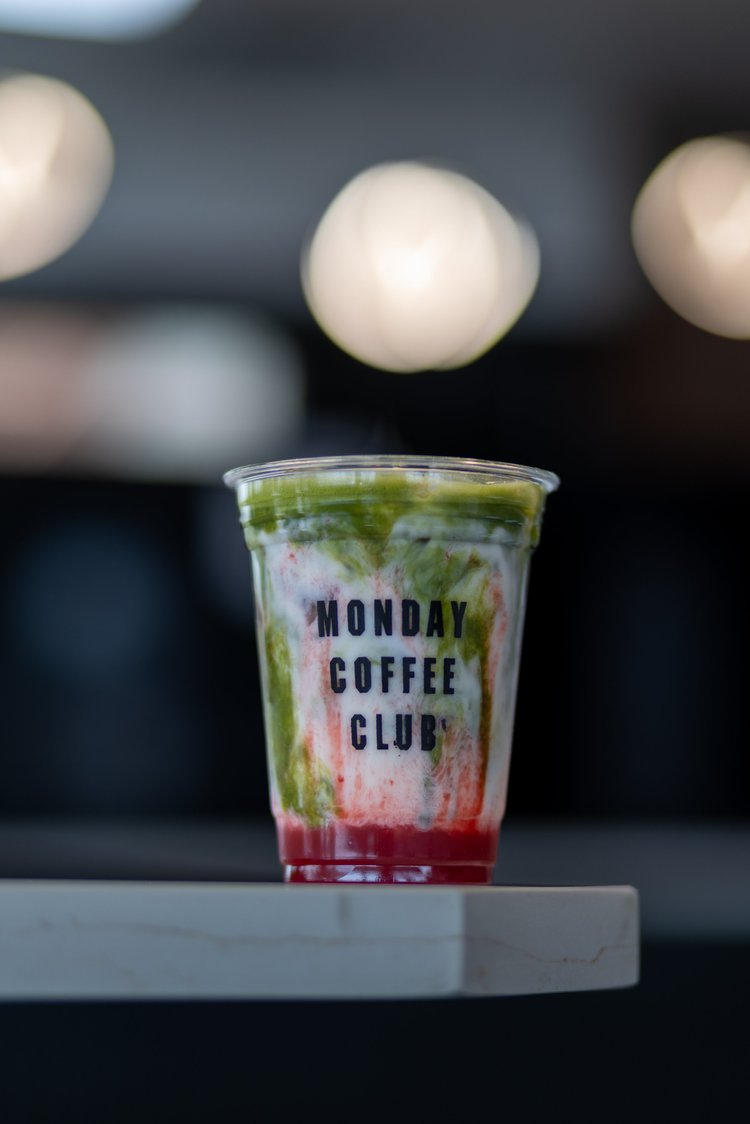
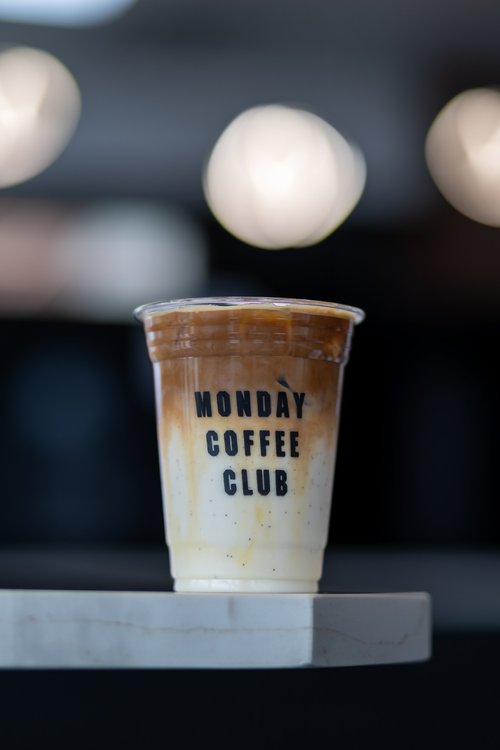
If you're ordering a latte, cappuccino, or signature drink like the Monday Shaken, MCC's espresso is tuned to shine through the milk. If you want a straight shot, ask the barista — they'll tell you what's tasting best that day.
How to Choose Your Roast
Drink it black and want bright, fruity flavors? Go light. Want a balanced everyday cup? Go medium. Like it bold, with milk, or as espresso? Go dark. There's no wrong answer — only the one that matches how you drink.
The best way to learn is to taste side by side. Visit Monday Coffee Club in Dearborn or Troy, ask the barista what's brewing, and try a few. You can order ahead at mondaycoffeeclubmi.com and pick up at the drive-thru. The more you taste, the more you'll know exactly what you like.
Frequently Asked Questions
Which coffee roast has the most caffeine?
Light roast actually has slightly more caffeine per scoop than dark roast, because dark roast beans lose moisture and expand during longer roasting, making them less dense. The difference is small, but light roast edges out dark roast by a small margin.
Is dark roast coffee stronger?
Dark roast tastes bolder and more bitter, but 'stronger' is subjective. It has a heavier body and lower acidity, but not necessarily more caffeine. Strength depends more on how much coffee you use and how it's brewed than on roast level.
What roast does Monday Coffee Club use for espresso?
Monday Coffee Club uses a medium-dark espresso roast tuned to balance sweetness and body, designed to shine through milk drinks like lattes and cappuccinos while remaining smooth as a straight shot.
Brought to you by Monday Coffee Club
This article is part of The Monday Digest, written by the team at Monday Coffee Club — Michigan's specialty coffee destination with locations in Dearborn, Troy, and soon Livonia.
Marketing & design by House of Karma (www.hokdetroit.com) — the backend marketing engine behind Monday Coffee Club.
Media & content production by 24North (www.24north.org).
Ready to try Monday Coffee Club?
Order ahead from our full menu — specialty coffee, matcha, and Mediterranean bites.