Sustainable coffee is more than a label. Here's what ethical sourcing really means, how to tell meaningful claims from marketing, and why it matters for your cup.
Why Coffee Sustainability Matters
Coffee is one of the most traded commodities in the world, and the way it's grown affects millions of farmers, vast tracts of land, and the long-term future of the drink itself. Climate change is already shrinking the land suitable for coffee cultivation, and many smallholder farmers earn less than a living wage despite growing a product that sells for premium prices in cafes.
Sustainability in coffee isn't a feel-good add-on — it's the difference between coffee being available in 30 years and not. Understanding the labels and the practices behind them helps you spend your money in ways that actually support the future of coffee.
Fair Trade vs Direct Trade
Fair Trade is a certification that guarantees farmers a minimum price floor and a community development premium. It's a meaningful safety net, especially for smallholder cooperatives, but the certification has costs and limitations, and not all great coffee is Fair Trade certified.
Direct trade is a different model: roasters buy straight from farmers or cooperatives, cutting out middlemen and often paying well above Fair Trade minimums. There's no single certifying body, so quality and ethics vary, but the best direct-trade relationships are transparent about prices paid at origin. Both models can be ethical; neither is automatically so. The key is transparency.
What to Actually Look For
Farm-level transparency. Roasters and cafes that name the farm, cooperative, or region their beans come from are usually more accountable than those who don't. Vague 'premium beans' claims mean little.
Price paid at origin. The most meaningful sustainability metric is how much of your dollar reaches the farmer. Roasters who share this are rare and worth supporting.
Freshness and roasting practices. Coffee roasted close to consumption is both better tasting and less wasteful — stale coffee gets thrown away. Local roasting reduces the carbon footprint of transport and supports regional economies.
Avoid greenwashing. 'Natural,' 'artisan,' and 'gourmet' are unregulated marketing terms. Real sustainability claims are specific and verifiable.
The Bigger Picture: Waste and Packaging
Sourcing is half the story; the other half is what happens after the bean reaches you. Single-use cups, plastic lids, and non-recyclable packaging generate enormous waste. A reusable cup used daily can replace hundreds of disposable cups a year.
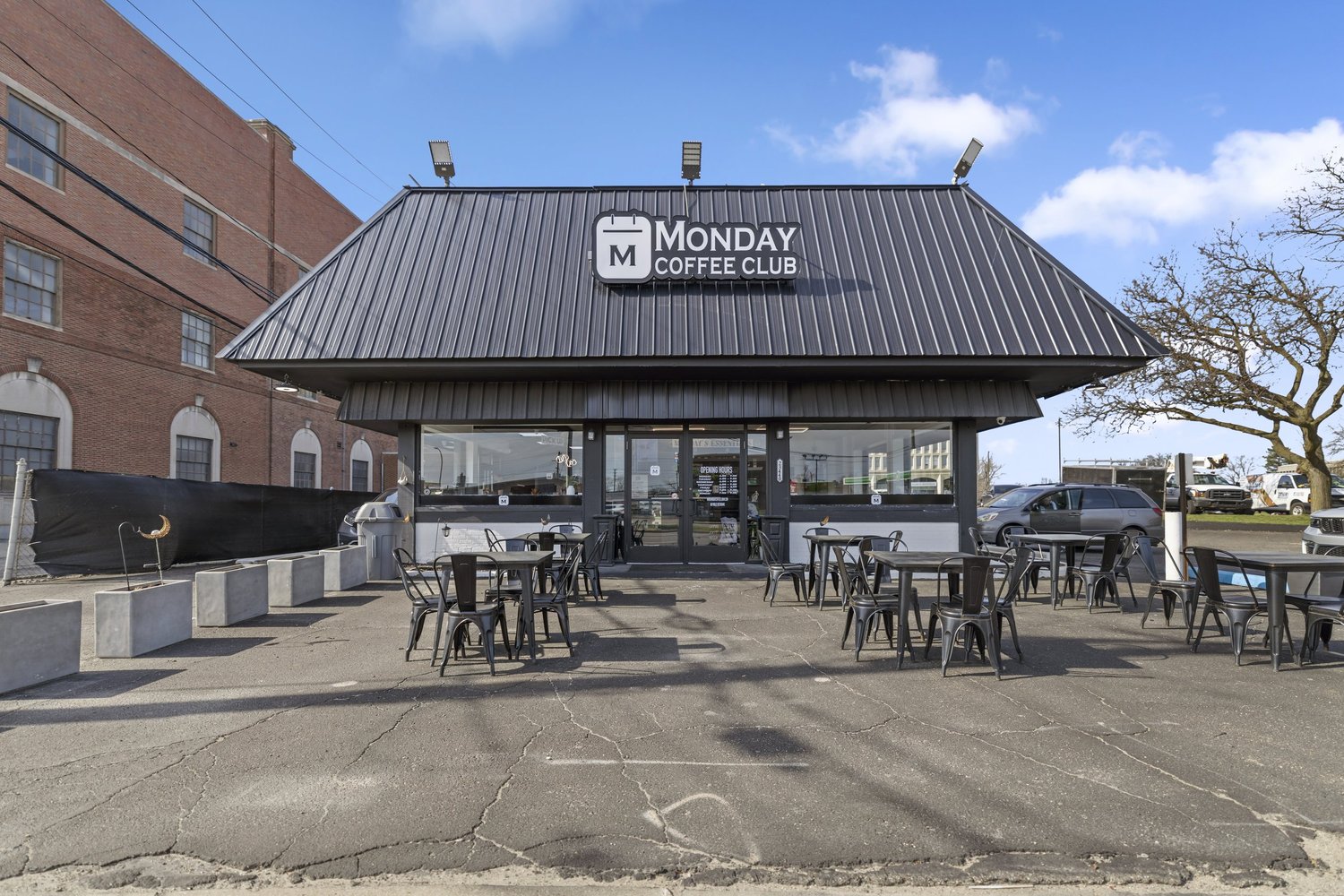
Monday Coffee Club encourages customers to bring reusable cups and offers mobile ordering to reduce idle wait times and waste. Small choices — skipping a lid, bringing a tumbler, ordering ahead so drinks aren't remade — add up across thousands of daily customers.
How Monday Coffee Club Approaches Coffee
Monday Coffee Club focuses on quality and consistency as the foundation of a sustainable coffee program. By building a loyal local customer base across Dearborn and Troy, MCC supports a model where specialty coffee is a daily habit rather than an occasional luxury — which is what keeps quality coffee businesses and their supply chains viable long-term.
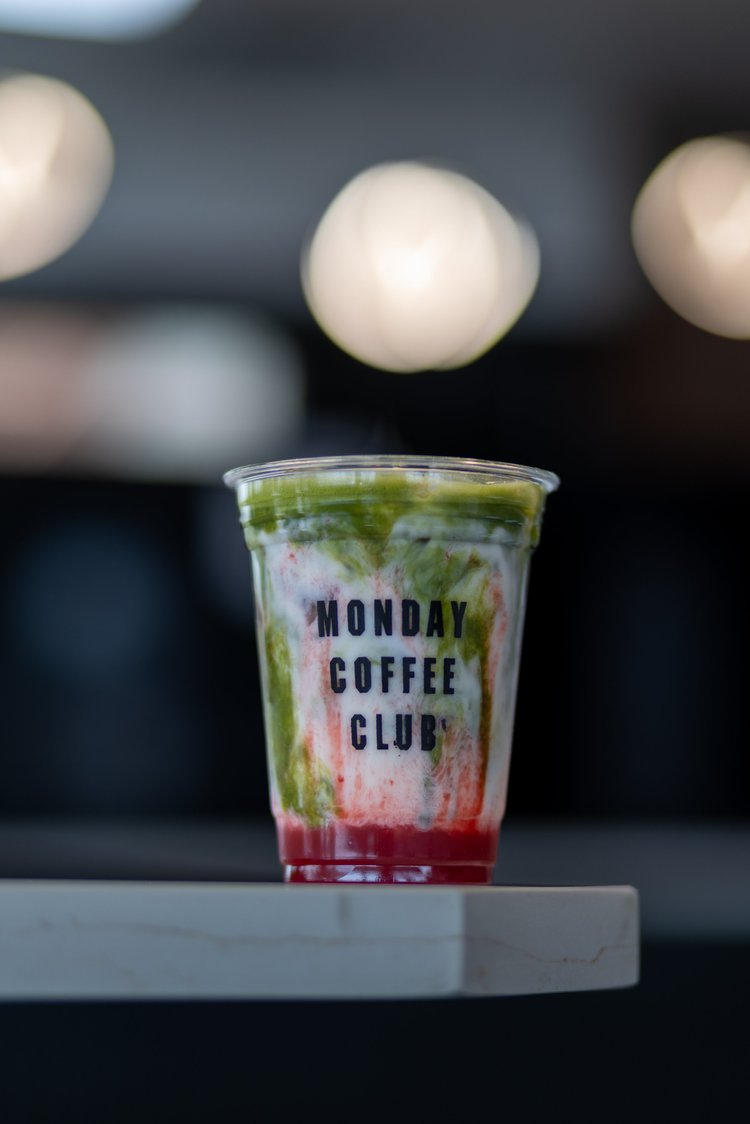
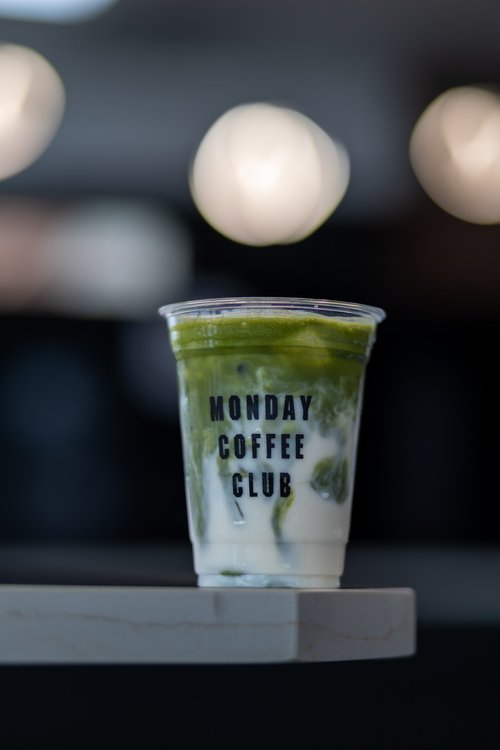
The emphasis on housemade flavors, fresh food made daily, and a menu designed to be ordered ahead (reducing waste and wait times) reflects a practical approach to sustainability: do fewer things, do them well, and reduce waste at every step. You can learn more and support the model by ordering at mondaycoffeeclubmi.com or joining The Monday Club.
What You Can Do
Ask questions. Ask your barista where the beans come from and how they're roasted. Cafes that care will happily answer; those that don't are telling you something.
Bring a reusable cup. It's the single highest-impact habit for a regular coffee drinker.
Order ahead to reduce waste. Mobile ordering means your drink is made once, correctly, with no idle remakes.
Support local. Local roasters and cafes keep more value in the community and are more accountable to their customers. Visit Monday Coffee Club in Dearborn or Troy, taste the coffee, and ask about the beans. The more customers who care, the more the industry responds.
Frequently Asked Questions
What is the difference between fair trade and direct trade coffee?
Fair Trade is a certification guaranteeing farmers a minimum price and community premium. Direct trade means roasters buy straight from farmers, often paying above Fair Trade minimums. Both can be ethical; transparency about prices paid at origin is the best indicator of genuine sustainability.
Is sustainable coffee better quality?
Often yes. Sustainable practices — like careful harvesting, direct relationships with farmers, and fresh local roasting — tend to produce higher-quality coffee. But sustainability and quality are separate things, and one doesn't guarantee the other.
How can I make my coffee habit more sustainable?
Bring a reusable cup, order ahead to reduce waste, support transparent local roasters and cafes, and ask where your beans come from. Monday Coffee Club encourages reusable cups and offers mobile ordering at mondaycoffeeclubmi.com.
Brought to you by Monday Coffee Club
This article is part of The Monday Digest, written by the team at Monday Coffee Club — Michigan's specialty coffee destination with locations in Dearborn, Troy, and soon Livonia.
Marketing & design by House of Karma (www.hokdetroit.com) — the backend marketing engine behind Monday Coffee Club.
Media & content production by 24North (www.24north.org).
Ready to try Monday Coffee Club?
Order ahead from our full menu — specialty coffee, matcha, and Mediterranean bites.